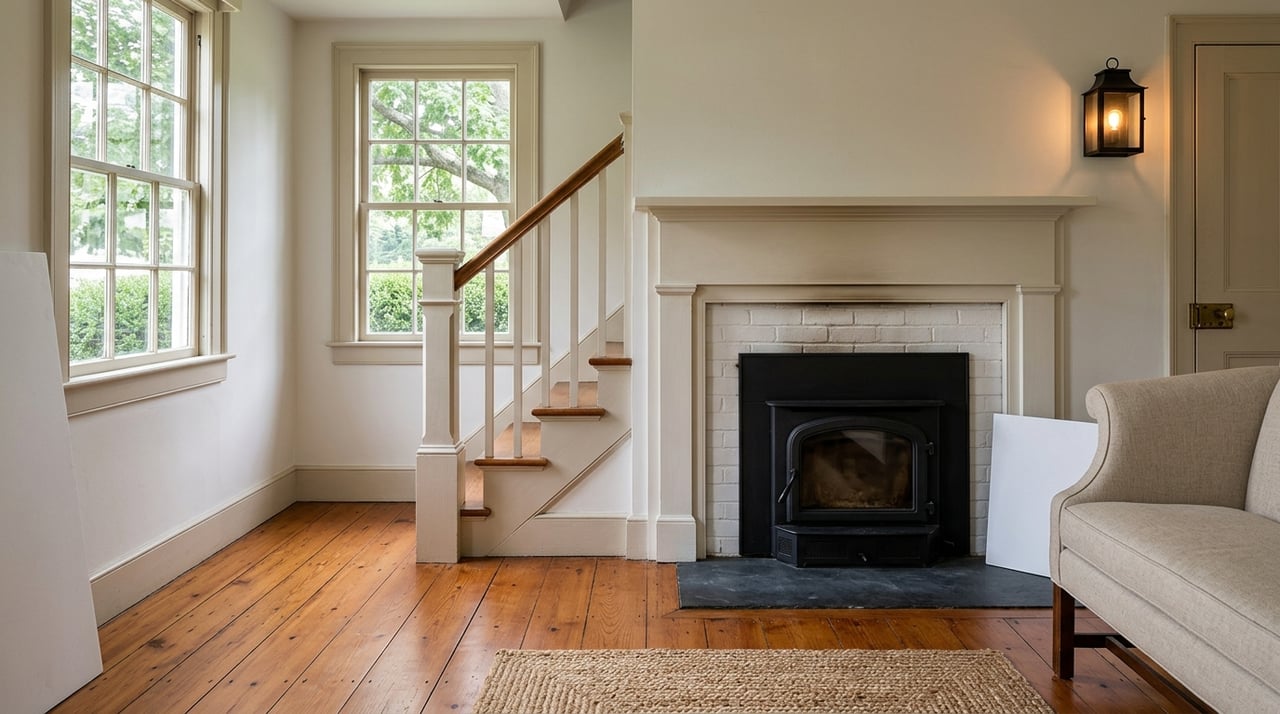
Historic Homes And Investment Potential In Harriman
June 4, 2026
June 4, 2026
Thinking about buying a historic home in Harriman or investing in one? You are not alone. Historic properties here offer real character, a strong sense of place, and more approachable price points than many other Tennessee markets, but they also come with rules, research needs, and renovation decisions you should understand before you make a move. This guide will walk you through what makes Harriman’s historic homes appealing, where to focus your search, and how to evaluate their investment potential with clear eyes. Let’s dive in.
Harriman is not a sprawling market with dozens of competing historic areas. It is a smaller city with a clearly defined historic core, which gives buyers and investors a more focused search. That can make it easier to understand where the most notable historic housing stock is located and what drives long-term interest.
The city itself was founded in 1889 and 1890 as a planned industrial community. That early design still shapes the layout and feel of Harriman today, which is one reason its historic neighborhoods continue to attract attention from buyers who want more than a standard house.
For you as a buyer or investor, that means Harriman offers something increasingly hard to find: older homes with architectural identity in an established setting. The appeal is not just the house itself, but the larger neighborhood fabric around it.
Cornstalk Heights is one of the best-known historic residential areas in Harriman. According to its National Register documentation, the district runs mainly along Clinton and Cumberland Streets and includes 114 principal historic resources dating from about 1890 through 1940.
This area is known for large ridge-top lots, limestone retaining walls, original brick sidewalks, mature trees, alley garages, and workshops. If you are looking for a property where the setting adds as much value as the structure, this is an important area to study closely.
The Cumberland Street Historic District includes more than 100 buildings. It is a key part of Harriman’s historic identity and features many of the residential forms buyers associate with turn-of-the-century East Tennessee architecture.
Because this corridor is so closely tied to the city’s early development, homes here may appeal to buyers who want period detail and a location near Harriman’s traditional core. For investors, that established identity can be meaningful when evaluating future demand.
Margrave Drive is a smaller, two-block residential historic district. It includes Queen Anne, Colonial Revival, and Bungalow homes, giving you a tighter collection of architectural styles in a more compact setting.
If you prefer a smaller district with a clear historic character, Margrave Drive may be worth a closer look. It can be especially useful for buyers who want a historic home without sorting through a much larger submarket.
Harriman’s historic districts include a wide mix of late-Victorian and early 20th-century homes. That variety is part of the draw, especially if you value craftsmanship and exterior detail.
These homes often feature asymmetrical floor plans, wraparound porches, decorative wood or brick details, towers, stained glass, and corbelled chimneys. In Harriman, these styles are especially associated with Cornstalk Heights and Cumberland Street.
For buyers, these homes can offer some of the most memorable curb appeal in the market. For investors, they may also require careful budgeting because ornate exterior features can be more expensive to preserve properly.
Colonial Revival homes in Harriman are generally more symmetrical and include classically inspired design elements. Tudor Revival homes may use stucco, brick veneer, or weatherboard and often include half-timbering.
These styles can appeal to buyers who want historic character with a somewhat more formal or structured look. They also show how broad Harriman’s historic housing stock really is.
Bungalow and Craftsman homes are defined by low-pitched roofs, strong porch presence, exposed rafter tails, brackets, tapered porch posts, and multi-light windows. These homes often feel practical, welcoming, and timeless.
If you are searching for a historic property that may be easier to live in day to day, this style may be especially attractive. Many buyers appreciate the balance between charm and functionality.
Harriman’s historic homes are often best understood as character properties with attainable entry points, not teardown opportunities. That distinction matters. The value story here is tied to preservation, neighborhood integrity, and thoughtful improvement rather than clearing a lot and starting over.
The numbers help explain why the market gets investor interest. Harriman’s 2020 to 2024 ACS estimates show a median owner-occupied home value of $153,200 and a median gross rent of $763. By comparison, Roane County’s median owner-occupied home value was $232,900, and Tennessee’s was $286,700.
That relative affordability suggests a market where restoration projects can make sense. At the same time, the rent data also points to an important reality: your rehab budget and your income expectations need to stay grounded in local numbers.
One of the strongest points in Harriman’s favor is that the city has clear historic design review rules. While some buyers see regulation as a hurdle, it can also support consistency across a district and help protect the overall character that makes these areas desirable.
The zoning ordinance specifically notes that the H-1 Historic District overlay is intended to ensure compatibility and stabilize and improve property values. That does not guarantee appreciation, of course, but it does show that preservation standards are part of the city’s long-term planning approach.
In a smaller market like Harriman, neighborhood character can have an outsized impact. Intact streetscapes, preserved porches, original masonry, and consistent materials often matter because there are fewer historic submarkets competing for attention.
If you are considering a historic home in Harriman, exterior work is not something to treat casually. The city’s design guidelines state that a Certificate of Appropriateness is required before a building permit is issued for work in the historic districts.
For major applications, you may need plans, photos, drawings, and supporting documentation. The Historic Zoning Commission reviews projects in historic districts, though the building official can issue certificates for certain projects.
That process means you should do your homework before closing, not after. If your investment plan depends on quick exterior changes, you will want to confirm what is allowed and how long approvals may take.
Harriman’s review framework emphasizes retaining, maintaining, repairing, and replacing in kind. In simple terms, the city’s preference is to preserve what is there whenever possible rather than swap original materials for modern substitutes.
The commission evaluates whether proposed work preserves the building’s integrity, fits the district’s overall character, and keeps additions compatible with neighboring historic properties. This is one of the most important factors to understand if you are estimating cost and scope.
The city guidelines put special emphasis on roofs, windows, porches, and masonry. They recommend preserving original roof shape, pitch, and overhang, using storm windows and weatherstripping to help retain original windows, and preserving porch floors, railings, stairs, and balusters.
They also support maintaining and repairing original wood, brick, stone, and stucco. Vinyl and aluminum siding are discouraged, as are abrasive masonry cleaning methods and visible new roof features on street-facing slopes.
For income-producing historic rehab projects, the main incentive discussed in the research is the federal Historic Tax Credit. The Tennessee Historical Commission states that the credit is 20 percent for certified historic structures.
There are important limits. The building must be listed in the National Register or be a contributing structure in a registered historic district, and it must be used for an income-producing purpose for at least five years. Owner-occupied homes do not qualify.
It is also important to know that being inside a historic district does not automatically make a property eligible. The Tennessee Historical Commission notes that not every building in a district is contributing, and a property must retain historic integrity and be certified by the National Park Service.
For you, the takeaway is simple: do not assume eligibility. Verify it before you start work or build projected returns around the credit.
Historic homes can be rewarding, but they ask more of you upfront. In Harriman, smart due diligence starts with confirming the property’s district status, understanding what changes may require approval, and reviewing the public record carefully.
The Roane County Register of Deeds records deeds, deeds of trust, releases, liens, subdivision restrictions, military discharges, and other official documents. Those records can help you build a clearer picture of title history and property-specific issues.
You should also confirm whether the home is in a flood-hazard area. Harriman’s zoning ordinance includes a Flood Hazard District, and development in the F-1 district requires a permit from the building official confirming compliance with flood hazard rules.
Before you commit to a historic property in Harriman, consider these steps:
That depends on your goals. If you want a purely cosmetic flip with minimal oversight, a historic district property may not be the right fit. If you value architecture, neighborhood continuity, and the possibility of improving a property within clear preservation guidelines, Harriman can be worth serious consideration.
For owner-occupants, the value may be more personal than purely financial. You may gain a distinctive home in a neighborhood with a story, mature streetscape, and details that are difficult to replicate today.
For investors, the opportunity is more specific. Harriman’s affordability, historic identity, and possible tax-credit upside can create a compelling case, but only when your numbers reflect local rents, realistic rehab costs, and the city’s preservation requirements.
Whether you are buying your first historic property or evaluating one as part of a larger investment plan, local guidance matters. Working with someone who understands Harriman, Roane County, and the details that affect property value can help you move with more confidence and fewer surprises.
If you are considering a historic home or evaluating its resale potential in Harriman, Kathy May-Martin can help you assess the opportunity, navigate the local market, and make a more informed move.

Kathy May-Martin
With over 31 years in the real estate industry, Kathy May-Martin brings a wealth of knowledge to her clients. Her approach is driven by a commitment to staying informed and adapting to industry changes to provide the best service possible. Kathy's dedication to surpassing client expectations is evident in her attention to detail, ensuring every client benefits from her expertise. Her comprehensive marketing strategies are designed to help sellers achieve quick, profitable sales, leveraging cutting-edge resources for maximum exposure.
Stay up to date on the latest real estate trends.
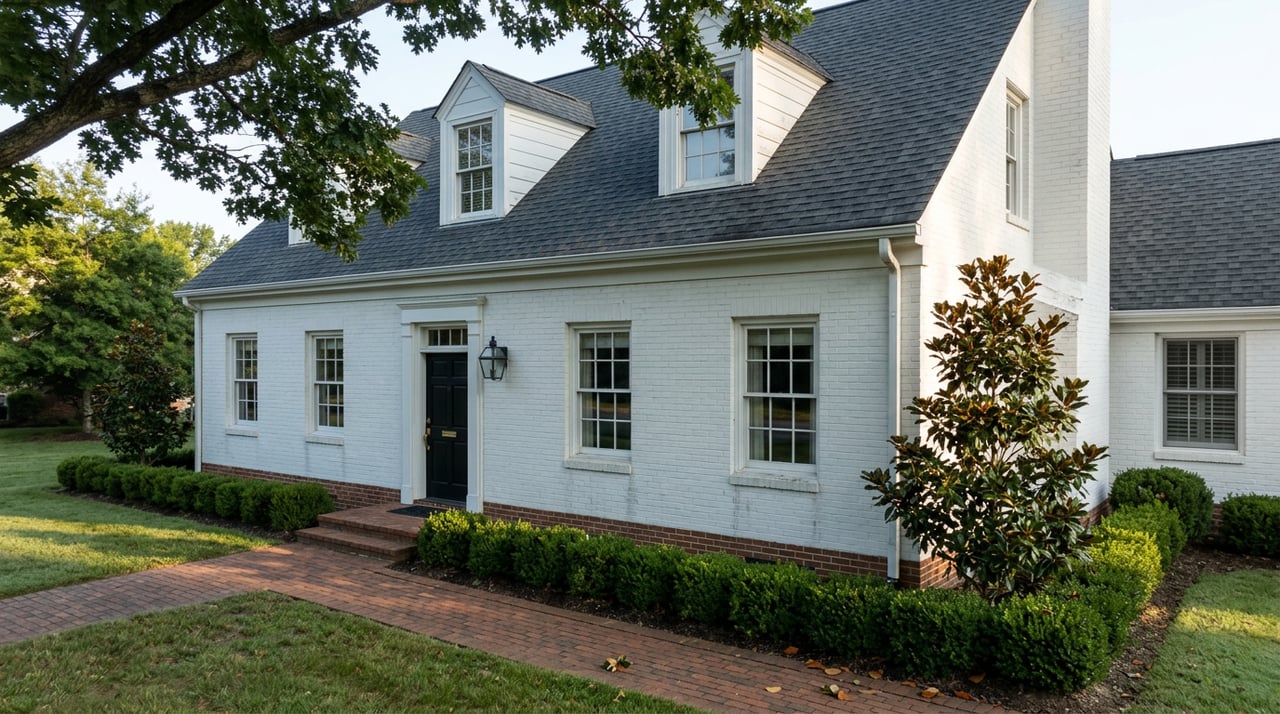


A Buyer's Guide to Mortgages for Luxury Buyers in East Tennessee.

Discovering the Lifestyle Behind Golf and Luxury Living at Oak Ridge Country Club.

How to Pick the Style You’ll Love in Kingston, Tennessee.

What to Know About Living Near Fox Den Country Club and Its Farragut Setting.

Why Many People Are Choosing to Retire in Kingston, Tennessee.
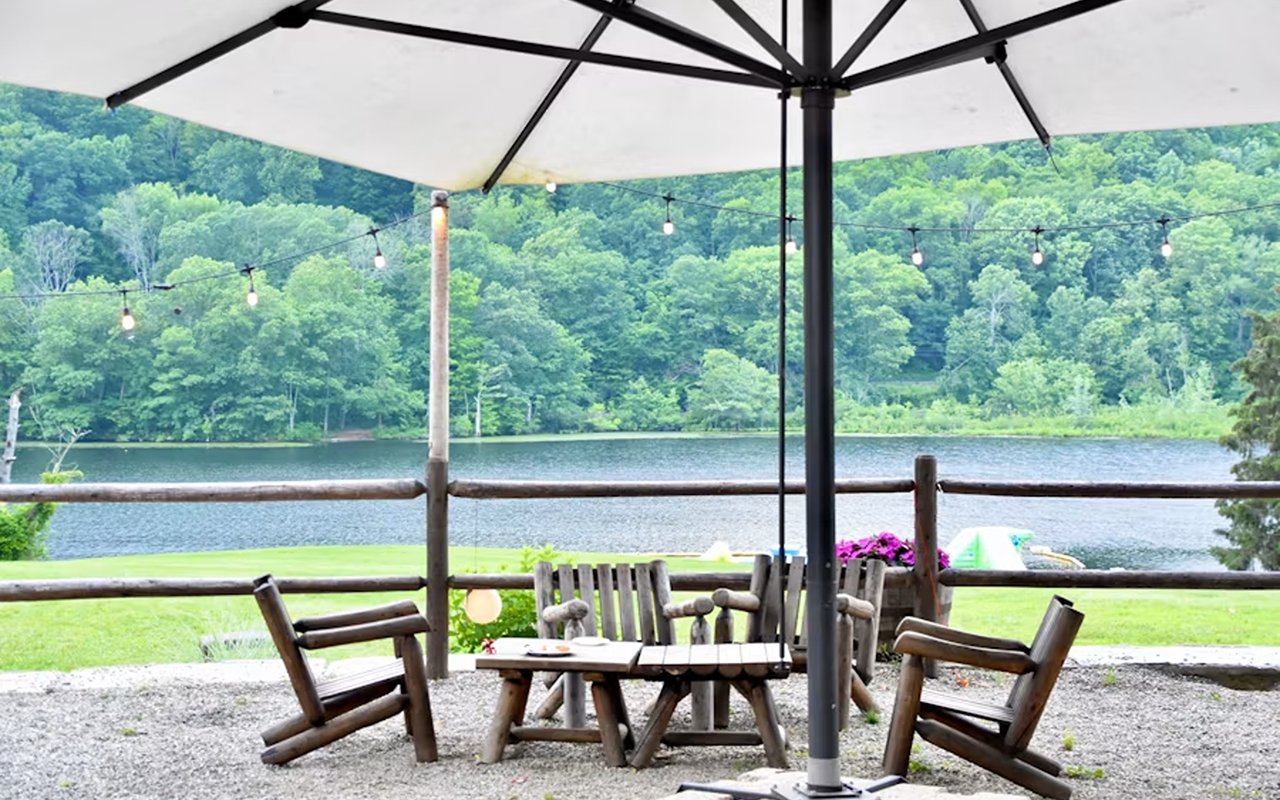
Designing an Outdoor Living Space That Makes the Most of Watts Bar Lake.
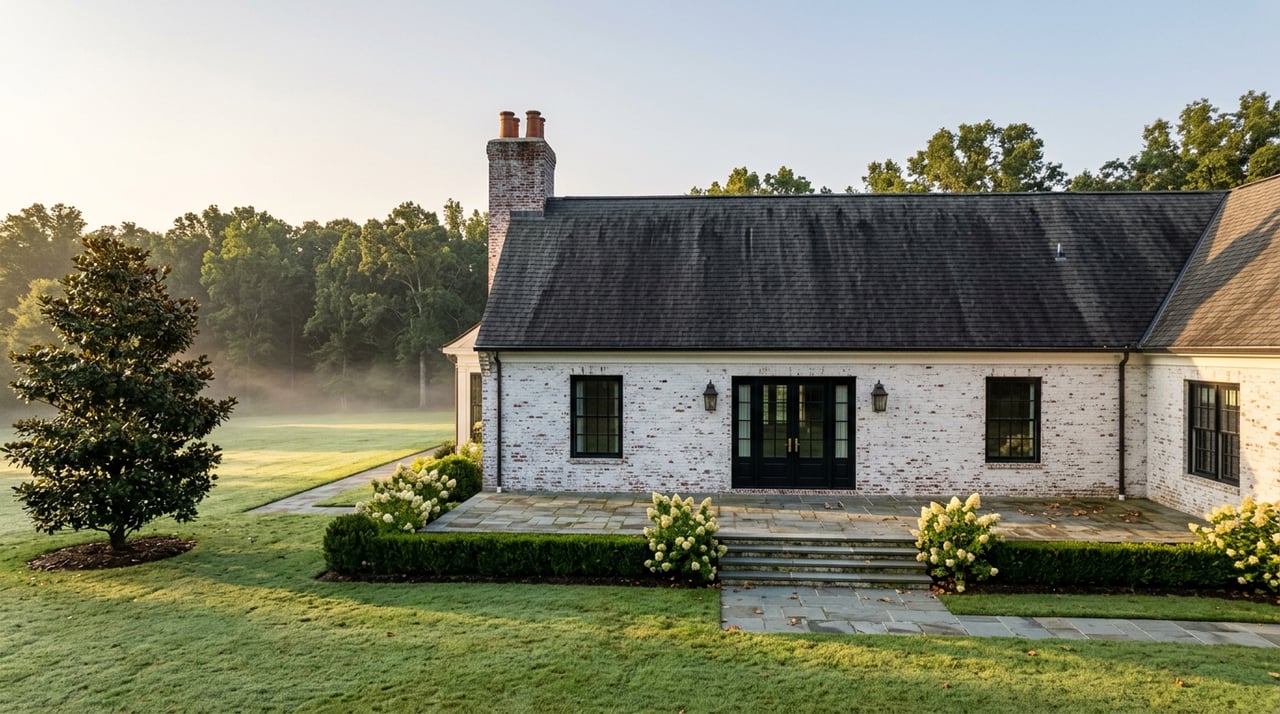
One way to set the stage for a successful buying and selling process is to listen to May-Martin clients, find out what their priorities are, and then help them prioritize that list based on the state of the market.

410 N Kentucky St
Kingston TN 37763